;

Author: abbeyverigin

Berkey Water Filter Review | Why We Bought A Berkey

Berkey Water Filter Review | Why We Bought A Berkey

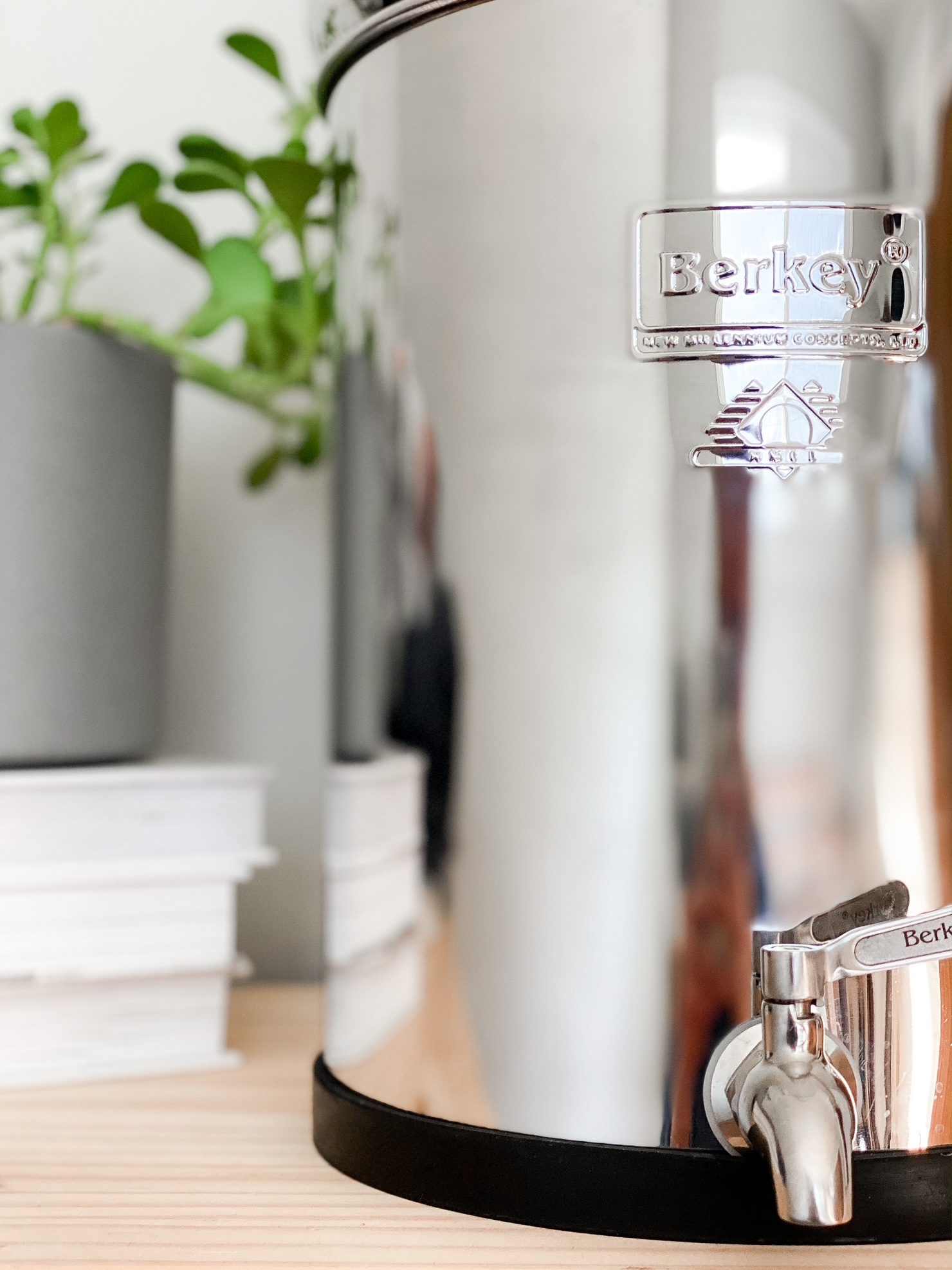
Keep reading to learn more about the Berkey Water Filter. Learn why we chose it, how it’s different, and what we like about it in this Berkey Water Filter review. For a very, very long time I have wanted a berkey water filter. I did…

How To Naturally Clean Your Home | DIY Cleaners

How To Naturally Clean Your Home | DIY Cleaners

How to naturally clean your home with just 5 non-toxic ingredients. Non-toxic cleaning products can be expensive, but with these 5 simple ingredients you can make all of your household cleaners for pennies. My journey into natural living came to be in some what of…

How To Eat Organic On A Budget | Healthy Eating Tips

How To Eat Organic On A Budget | Healthy Eating Tips

Nine tips on how to eat organic on a budget. Eating healthy, wholesome foods does not need to be expensive. Learn how to eat healthy without breaking the bank with these healthy grocery budget tips.

woman holding a pink smoothie

The one thing people seem to get stuck on when they are looking to set out on a healthy lifestyle, is the cost, and I get it! Your health is the biggest investment you can make, so I want to share my tips for eating organic, and living a natural lifestyle on a tight budget.

As a nutritionist and a foodie, the quality of food we bring into our home as always been important to me. Up until recently we had never set a grocery budget. Yikes, I know. I’d walk into the health food store and stock my cart with all of the local, organic, grass fed, pasture raised, and specialty foods I pleased. The quality of food we eat has always been an area I am not willing to skimp on. Nothing was going to waste, but I also knew that I couldn’t keep spending this type of money on groceries if we wanted to hit our financial goals. It was time to tighten things up, a lot.

It Is Totally Possible To Eat 100% Organic On A Budget, We Just Weren’t Doing It

Frankly, I wasn’t putting effort into budgeting when it came to our groceries. It felt like because it was an area I wasn’t willing to skimp on, there wasn’t much I could do about. That is just not true. I simply wasn’t trying to save or looking for better deals. With a little bit of effort, you can save a lot of money. If I can do it, I promise you can also learn how to eat organic on a budget. Here are some of my favorite tips that has helped us cut our grocery bill in half (actually).

Purchase Meat In Bulk And Direct From Farmer

Depending on your living situation, this one may be a little harder, but I promise you can make it happen if you want to. For reference, we used to pay $14 (yep) per pound of grass fed beef at our local coop. That might sound insane, and it kind of is, but it’s just how things are priced where we live. I contacted the very same farm that supplied this beef and found out I could purchase from them at $8.50 per pound. That is a massive difference, and while I get everyone needs to make money, I need to save it where I can. I then looked into purchasing meat in bulk from local farms and found that I could save even more. I have calculated it out, and by purchasing 1/4 cow, we will save over $500 a year, just on beef! That is a huge cost savings.

I get that not everyone lives in an area with farms nearby, or might have the struggle of storage. For us the cost savings would be worth buying a deep freeze off the buy and sell. Alternatively, I know some farms near us do smaller “apartment sized” bulk orders. This would fit easily into your fridge freezer, and while the prices on a smaller bulk order aren’t quite as good of a deal, they are still much, much cheaper than purchasing in store. If you don’t have a good farm near by, look further in your state or province. Many will ship orders with dry ice.

stand up freezer filled with grass fed meat wrapped in paper and wild seafood

Buy Whole Chickens Instead Of Chicken Breasts

Okay, this one took me awhile to get into, because something about cooking a whole chicken on a regular basis seemed a little intimidating. Spoiler alert: it’s not, at all. For reference, where we live organic chicken breasts run $15 per pound. A whole 4-5 pound organic chicken is around $30. By cooking a whole chicken, we have enough meat for several meals, and I have bones to make homemade bone broth. A quart of store bought bone broth will set us back $20, so I always make my own. Choosing a whole chicken instead of specific cuts ends up going much, much further.

Again, this is a great place to look at local farmers. A whole organic chicken around here is $30+. Purchasing direct from farm, we can get them for $25, even less if purchased in bulk.

Shop At Bulk Stores

We have a great organic bulk store nearby, and there are plenty of online options, but even most grocery stores have great bulk sections. I have worked it into our budget so we can purchase a couple of items in large quantities directly from our bulk store each month. These will last us several months, and then each month we can rotate what we purchase from there. For example, our bulk store sells organic MCT oil which my husband has most mornings blended into his coffee. At the bulk store, a bottle double the size we typically buy, is half the price! Some items there isn’t a huge price difference in by purchasing in bulk, and others are massively different. This is definitely something worth looking into when you’re trying to eat organic on a budget.

We like to buy things like pure maple syrup, local raw honey, rice, brown rice flour, teff, rice pasta, coconut oil in bulk.

Shop Local

I touched on this a little bit when talking about meat. We also buy things like eggs, produce, milk, and honey locally. Until we have chickens of our own, we usually buy eggs from someone down the road with happy, pasture raised, organic feed supplemented chickens. We buy them at $5-6 per dozen, instead of $7 per dozen from the grocery store. We could get eggs cheaper if we weren’t particular about the organic feed.

For produce, farmers markets, in the summer especially are a great way to save some money. Not only that, but it’s better for the environment due to less travel time and less packaging, plus you get to support a local farmer. The produce are fresher, and therefore more nutrient dense. Head to the market at the end of the day to clear out what is left. You will likely get a deal! In the summer is a great time to buy things like winter squash, garlic, onion, and potatoes for very cheap which typically store well.

Keep in mind that most small scale farmers will not have an organic certification because of the price tag that comes along with it. Ask questions, many of them are still using organic practices.

Stop Buying Packaged And Premade Food

Convenience comes with a hefty price tag. Yes, there are tons of great high quality, healthy, organic foods on the market now, but they are so expensive! When I really started to focus on reducing our grocery bill, this was the first thing I had to come to terms with. Shop the outer aisles of the grocery store and you will be shocked by how much you save. Salad dressings, dips, avocado oil mayonnaise are beyond easy to make, and you’ll be so thrilled by how much you can save. Bone broth just requires bones, water, a splash of apple cider vinegar, and time. Pre chopped veggies sure are convenient, but taking an extra 10 minutes to do the chopping at home will have you set for the week, your budget happy, and you’ll have fresher veggies.

Make A Plan Before You Shop

Make a plan for your meals for the week before you shop. This has to be my biggest tip for how to eat organic on a budget. This does not need to look like a full on menu plan, unless that is your thing! I typically just take stock of what we already have on hand, figure out what proteins we need, and stick to buying simple vegetables like carrots, potatoes, mushrooms, and peppers. I keep these basics on hand at all times which makes throwing together meals simple. If I go the the store without a plan I come home with a lot of random things that don’t go together that well, plus some extras I definitely didn’t need.

Start A Garden

If this sounds intimidating, don’t let it! You don’t need much space to start a small vegetable garden. Even if it’s planting a few pots of herbs on your balcony, you’ll save some money and have fresh herbs all summer long.

Over the past couple years our garden has slowly grown in size. This year, it will grow again. We will grown enough potatoes, carrots, beets, onions, and winter squash to last most of the year. Tomatoes, cucumbers, peppers, and summer squash varieties will be preserved through canning, freezing, and fermenting. We will stock our freezers as we do each year with fruit from the trees and berry bushes. Of course, not everyone will have the space to do so, but if you have even a little bit of space to work with, use it! Gardening is so satisfying. It brings several busy months especially through harvesting, but it is so worth it when you’re using all of those goods throughout the year.

Keep It Simple

As much as I love trying out new recipes and making elaborate meals, they typically have long ingredient lists. What that means is I end up with expensive ingredients in my pantry that don’t end up getting used. I have a small, very expensive, container of the spice saffron sitting in my spice cabinet from a couple of years back. When I keep our meals simple and substitute ingredients based on what I have on hand, I end up saving a ton of money on my grocery list. Keep the fancy recipes for more special occasions and just get creative with what you have on hand. My favorite part of cooking is letting my creativity flow anyway. When I am following a recipe I just don’t get that same experience.

woman holding basket of freshly picked green beans from the garden to save money to eat organic on a budget

For Canadians: Look Into The PC Optimum Insiders Subscription

Okay, this last one is specific to Canadians. I found out about the PC Optimum Insiders Subscription a few months ago, and at first I could not believe there was cost associated with this, and didn’t see how it could be worthwhile. Well, after some digging we decided to join and made back that subscription cost in the first month. As of March 2021, the cost of the subscription is $119 + taxes per year. What you get with it is 10% back in optimum points for every $1 spent on PC products and free grocery pickup. There are other perks, including a welcome box, but I am focusing on what relates to groceries here. This Optimum program is offered at Loblaw stores.

The grocery stores local to us do not have a large selection of organic foods, but No Frills, our store with the Optimum program, does. We buy most of our produce, frozen fruit and vegetables, and pantry items there, most of which are PC products. It really adds up, especially if you pay attention to your weekly offers in the app.

If you choose to sign up for the PC Insiders Subscription, use the referral code AV1777 which will give you a bonus 25,000 PC Optimum points, which is equal to $25.

Other Tips On How To Eat Organic On A Budget

  • Don’t go to the grocery store often. In fact, I have recently started doing one big shop at the beginning of the month, and then just maybe one stop at the store per week only to get any produce I need. I take note of all the groceries we will need for the month and grab basics. I am less tempted to go to the store since I already have most of what I need on hand.
  • Don’t let ingredients go to waste. Take inventory of what you have on hand before you shop. Every couple days take note of any vegetables that are on their last leg, or leftovers that need to be eaten. Sometimes this looks like a hodge podge dinner of some random leftovers from several days. Other times I will chop and freeze any vegetables that we won’t get to before they go.

simple roasted chicken and cast iron pan on stove top with vegetables on cutting board in background easy meal to eat organic on a budget

I hope you found these tips on how to eat organic on a budget helpful. If you have any other tips, leave them below to share with other readers!

Pin It For Later

pinterest graphic how to eat healthy on a budget
How To Make DIY Fabric Softener & Scent Booster

How To Make DIY Fabric Softener & Scent Booster

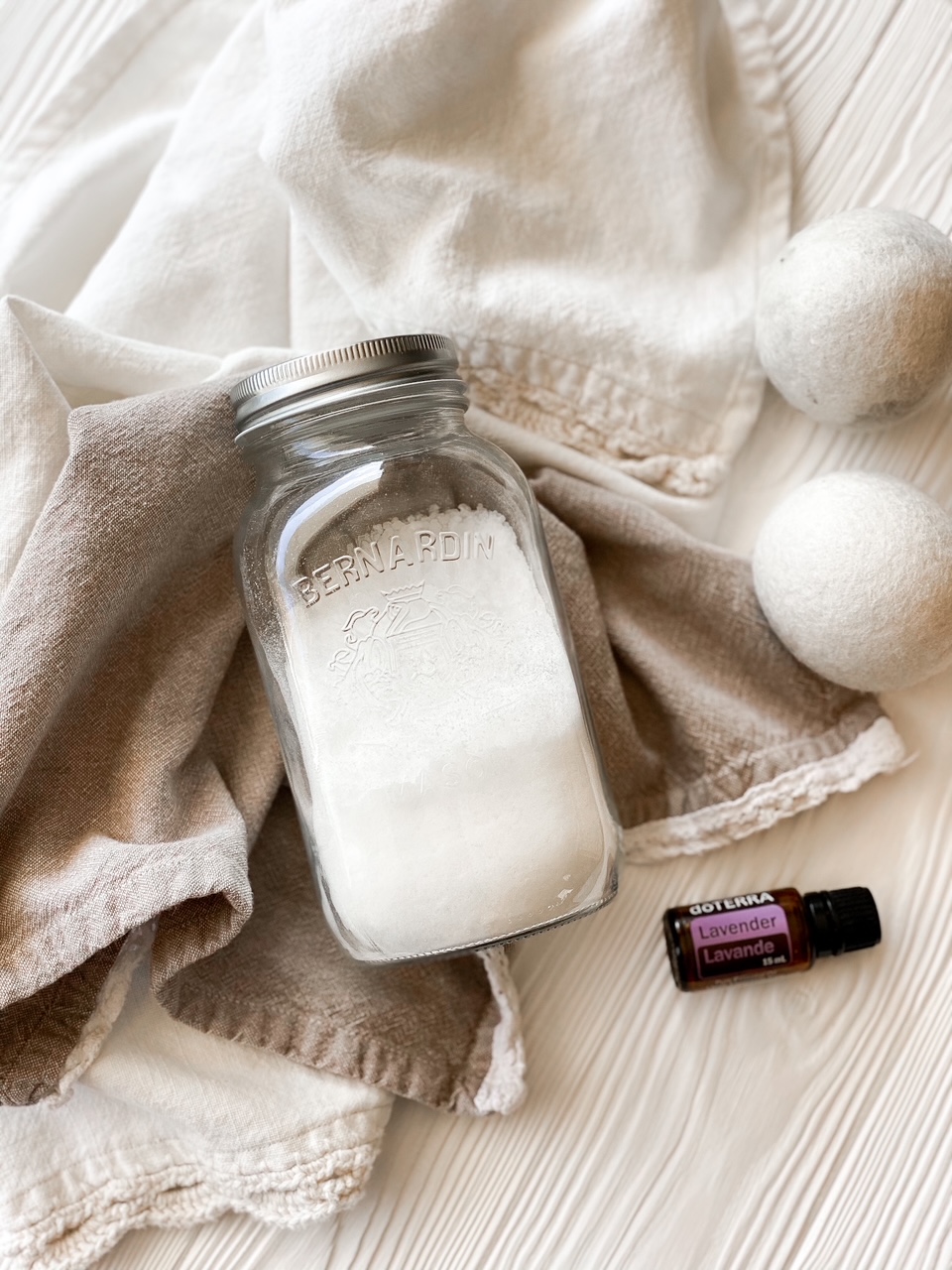
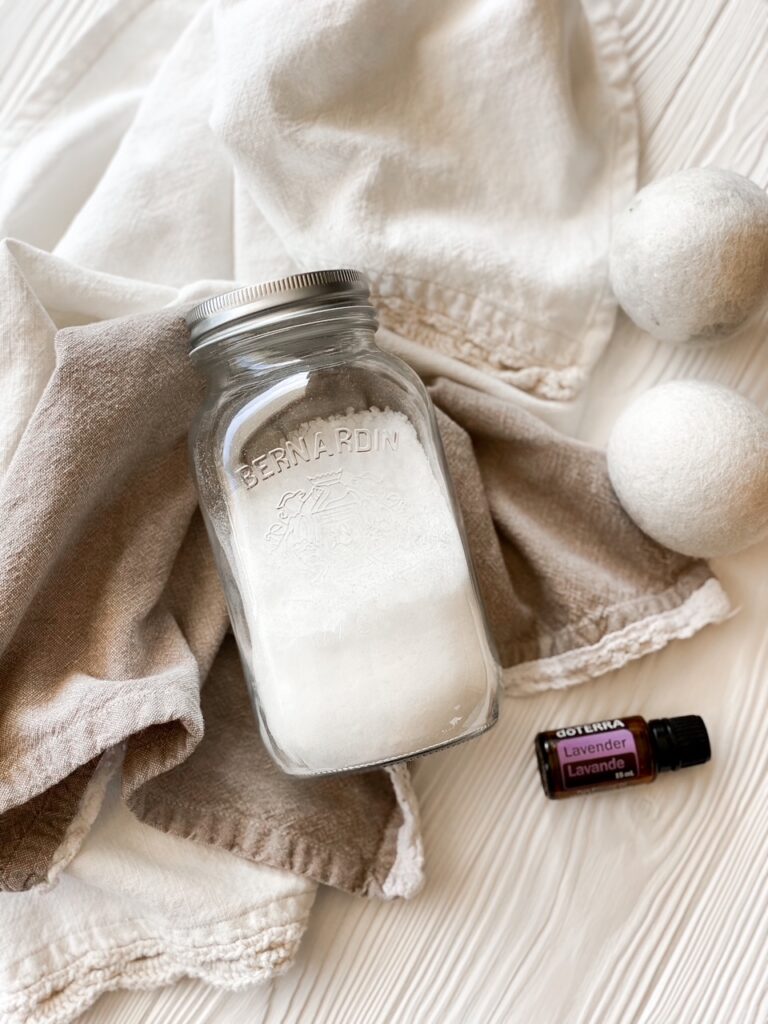
Learn how to make DIY Fabric Softener & Scent Booster. The perfect addition to your laundry routine for fresh and soft laundry free of toxins. All you need is epsom salt, baking soda, and essential oils to make this DIY recipe. I switched over to…

How To Make Natural Body Butter | DIY Body Butter

How To Make Natural Body Butter | DIY Body Butter

Learn how to make natural body butter with just two ingredients. This DIY body butter recipe is easy and inexpensive to make with natural ingredients. There are several reasons why I absolutely love to make my own cleaning and personal care products at home. When…

How To Make Sourdough Crepes [Gluten Free Option]

How To Make Sourdough Crepes [Gluten Free Option]

Learn how to make homemade sourdough crepes from scratch using sourdough starter and eggs. This works perfectly with gluten free or regular sourdough starter.

sourdough crepe on white plate with cream cheese filling and maple syrup

Sourdough crepes are the perfect addition to your weekend breakfast line up. They are so perfect for a sweet breakfast treat, because they are packed full of the benefits of long-fermented grains and pasture raised eggs. If you have a sourdough starter and some eggs in the fridge, then you have all that you need to make these. If you don’t have a gluten free sourdough starter, I’ve got you covered here. Get that starter going so that you can be making these delicious sourdough crepes next weekend! I often use this recipe when I need to use up some sourdough discard.

Crepes are traditionally made with butter, eggs, milk, and flour. I like to keep things simple, so I make mine with just two ingredients. I also use my gluten free sourdough starter as a base instead of flour because long fermented grains are much easier to digest. The fermentation process actually breaks down the anti-nutrient phytic acid which increases bioavailability of nutrients.

Tips For Making Crepes

  • I use fed or unfed sourdough starter.
  • You can use regular or gluten free sourdough starter. I used to make these all the time before I had to go gluten free, and have since made these several times with my gluten free sourdough starter. Both give perfect results.
  • I feed my gluten free sourdough starter with white rice flour or brown rice flour when making these sourdough crepes because they have a mild flavor.
  • The hydration level of your sourdough starter will determine how thick your starter is, and therefore how thick your batter is.
  • You are looking for a thin consistency for the batter of your sourdough crepes. I made sure to include photos of the batter later on in the post so you can see how you want the consistency to be.
  • If you find your batter is too thick, just add a splash of water or milk. These are very, very forgiving.
  • I grease my pan well with butter so the sourdough crepes stick. I like to use my favorite well seasoned cast iron pans to make these crepes. A well seasoned cast iron pan will not stick. If you’re having issues with everything sticking to cast iron, it’s because your pans need a little love!

What Do I need To Make Sourdough Crepes

This recipe for sourdough crepes is beyond simple. I only use two ingredients in my recipe to make these sourdough crepes, so all you need is sourdough starter and eggs! There are a couple optional add-ins. I add a splash of vanilla and just a bit of cane sugar or raw honey to sweeten the batter just slightly. If you’re looking to make savory crepes, leave out the sweetener and vanilla. I love the flavor vanilla gives to the batter, however the honey or sugar is not necessary if you plan to add maple syrup, fruit or powdered sugar. Adjust this to your liking!

How Do I Make Sourdough Crepes

Add eggs and sourdough starter to a medium sized bowl.

white bowl with sourdough starter and eggs plaid towel in background

Whisk together eggs and sourdough starter. Add in vanilla and cane sugar or raw honey, if using.

white bowl of sourdough crepe batter with eggs and sourdough starter plaid cloth in background

The batter should be a thin consistency.

sourdough crepe batter in a white bowl with whisk and plaid cloth in the background

Melt butter in a cast iron skillet over medium-low heat.

2 cast iron pans on stove top with butter melting in them and red kettle and white bowl in the background

Pour in between 1/4 cup and 1/3 cup of batter, depending on the size of your pan.

woman pouring sourdough crepe batter into a cast iron pan

Rotate the pan to spread the batter.

two cast iron pans with sourdough crepes cooking and red kettle and white bowl in the background

Cook for about a minute, then flip and cook for an additional minute.

Close up shot of 2 sourdough crepes cooking in cast iron pans

Add fillings of your choice and serve.

sourdough crepe with maple syrup on a white plate with a mug and plaid dish towel in the background

Filling Ideas For Sourdough Crepes

You can fill sourdough crepes with just about anything you’d like. Below are some of my very favorite combinations.

  • A sprinkle of organic raw cane sugar and a squeeze of lemon.
  • Warm berries and whipped cream. Our deep freeze is always stocked with our blackberries from the summer, and heated up I find they don’t even need any additional sugar.
  • Homemade milk kefir cream cheese and pure maple syrup.
  • For a savory option, sautéed mushrooms, garlic, onions, and spinach. So good.

How to make Sourdough Crepes

sourdough crepe with maple syrup on a white plate with plaid cloth and mug in background

Learn how to make homemade sourdough crepes from scratch using sourdough starter and eggs. This works perfectly with gluten free or regular sourdough starter.

Prep Time 5 minutes
Cook Time 10 minutes
Total Time 15 minutes

Ingredients

  • 4 eggs
  • 3/4 cup sourdough starter (gliuten free or traditional!)
  • 1 tsp vanilla extract (optional)
  • 1 tbsp raw honey or cane sugar (optional)
  • butter for the pan

Instructions

  1. Whisk together all ingredients.
  2. If necessary, add a splash of water or milk if needed to thin.
  3. Melt butter over medium-low heat in a pan.
  4. Add 1/4 cup to 1/3 cup of batter to the pan and rotate to spread to the edges.
  5. Cook for 1 minute until beginning to set, then flip and cook an additional minute.
  6. Add your favorite fillings and enjoy!

Pin It For Later

pinterest graphic of sourdough crepe with maple syrup on a white plate with coffee mug and plaid cloth in background

Chicken Noodle Soup made with Bone Broth [Gluten Free]

Chicken Noodle Soup made with Bone Broth [Gluten Free]

Classic, nourishing chicken noodle soup with bone broth for added gut healing benefits. This version of the classic soup is gluten free, and makes for the perfect hearty winter meal.

How To Make DIY Essential Oil Linen Spray

How To Make DIY Essential Oil Linen Spray

Learn how to make a homemade DIY essential oil linen spray with only a few ingredients. This DIY is quick and easy so you can have a non-toxic linen spray ready in a few minutes.

Creamy Chicken and Rice Chili Soup [Gluten + Dairy Free]

Creamy Chicken and Rice Chili Soup [Gluten + Dairy Free]

Creamy, nourishing Chicken & Rice Chili Soup. This soup is hearty and satisfying, making it perfect for a comforting winter dinner.

creamy chicken and rice chili soup in a white bowl on a white crochet dish towel on a marble backdrop with an antique spoon

Nothing feels quite as cozy to me as a slow day with the outside world blanketed in snow, a clean home, and the scent of a pot of soup simmering on the stove. If home could always feel like that, it would be a dream. Thankfully, we are right in the midst of the winter season and I have plenty of soup simmering, snow blanketed days ahead.

I am not much of a recipe person. I love to scour through cookbooks for ideas, but it is rare I actually follow a recipe when it comes to cooking. Especially with soups. Soup is born out of what I have in the fridge and maybe a flavour I am craving, and it just spirals from there. It is also rare that I make a recipe as is more than once. I have made this Creamy Chicken & Rice Chili Soup several times now, and it is beyond satisfying. The best part yet is that it is packed full of gut healthy bone broth, protein, and easily digestible vegetables.

Before I share the recipe, let’s talk a little bit about rice, and why you might want to choose one way or another.

Is White Rice or Brown Rice Healthier?

There seems to always be a debate between brown rice and white rice. So, what is the difference between the two?

Brown rice is a whole grain. It has the bran, germ, and endosperm. Brown rice contains antinutrients, phytic acid or phytate, which reduce your bodies ability to absorb certain nutrients. Some will argue that brown rice is healthier due to the higher mineral and fibre content, while deeming white rice an unhealthy alternative because it is void of nutrients. Something else that is worth considering, is that brown rice tends to contain higher levels of arsenic.

White rice has the husk, bran, and germ removed. By removing the bran and germ, white rice is left with a lot less nutrients and fiber. Some will argue that white rice is the better choice as brown rice contains high levels of phytic acid, an antinutrient that makes it harder to digest.

When buying rice, choosing rice grown in California is a good way to reduce the arsenic content.  I often go for white rice as an easy carbohydrate source that is easier to digest.

Why Do You Have To Soak Rice?

Regardless of whether I choose white or brown rice, I always soak it. I like to prepare a batch for a few days to have on hand for quick and easy meals. Properly preparing grains takes very little effort, and just a bit of thinking ahead. I add however much rice I plan to cook to a large jar and top it up with plenty of water and a splash of apple cider vinegar. Leave it sitting for 12 hours or overnight, rinse well, and cook as you normally would.

By soaking rice, phytic acid has a chance to break down. Phytic acid is an anti-nutrient, it essentially blocks the use of nutrients from a food, especially minerals. Soaking also helps to removes toxins like arsenic. Thoroughly soaking, draining, and rinsing rice will help to remove a substantial amount of arsenic.

How Do You Cook Rice After Soaking?

During the soaking process, the rice will absorb some liquid. If you don’t adjust the amount of cooking liquid used after soaking, draining, and rinsing the rice, your rice will turn out mushy after cooking. The general ratio of rice to cooking liquid is 1 part rice to 2 parts cooking liquid. After soaking rice, I typically cut the cooking liquid back by about 1/6th to account for the liquid the rice absorbed while soaking.

creamy chicken and rice chili soup in a white bowl on a white crochet dish towel on a marble backdrop with an antique spoon

How To Make Creamy Chicken and Rice Chili Soup

This recipe is beyond simple, especially if you have some leftover rice in the fridge waiting to be used up! We have even made this recipe several times with peeled and cubed potatoes in place of rice.

Start by sauteeing your vegetables over medium low heat. I use onions, carrots, mushrooms, and plenty of garlic in this recipe, but use what you have on hand! Season with your spices. Push the vegetables to the side of the pot, and add the chicken breast. Sear for a few minutes on each side until golden, and hit the mixture with some sea salt and pepper. At this point, the chicken will not be cooked through, that is okay! Add the broth and bring the mixture to a boil. Cook for 15 minutes or until the chicken is cooked through. At this point, if you don’t have cooked rice to use up, get your rice going. . Using two forks, shred the chicken. Stir in the coconut milk and allow the soup to simmer for a few more minutes, then add in the rice.

Serve with fresh lime and plenty of cilantro or green onions. I am sure you will love this recipe as much as we have!

Yield: 4

Creamy Chicken & Rice Chili Soup

white bowl of soup on a crochet dish towel with an antique spoon on a marble backdrop

Creamy, nourishing Chicken & Rice Chili Soup. Slightly spiced and filled with gut healthy bone broth and creamy coconut milk.

Prep Time 10 minutes
Cook Time 30 minutes
Additional Time 40 minutes
Total Time 1 hour 20 minutes

Ingredients

  • 1 large yellow onion, diced
  • 3 carrots, peeled and diced
  • 2 cups mushrooms, sliced
  • 6 cloves garlic, minced
  • 2 tsp butter or coconut oil
  • 4 tsp cumin
  • 4 tsp chili powder
  • sea salt & pepper
  • 2 chicken breasts
  • 4 cups chicken bone broth
  • 1 can full fat coconut milk
  • 2 cups cooked rice (1 cup uncooked)
  • 1 lime quartered
  • 1 head cilantro or green onions, chopped

Instructions

  1. Heat butter or coconut oil in a large pot over medium low heat.
  2. Add onions, carrots, mushrooms, and garlic. Cook for 5 minutes until softened.
  3. Stir in spices and continue to cook for 1 minute.
  4. Push vegetables to the side, and add chicken breast. Sear 3-5 minutes per side until golden. Season with sea salt and pepper.
  5. Add bone broth and bring to a boil. Continue cooking 15-20 minutes until chicken is cooked through. Prepare rice now if using uncooked.
  6. Shred chicken between two forks.
  7. Reduce heat to medium and stir in coconut milk. Allow to simmer 3 minutes.
  8. Stir in rice.
  9. Serve topped with a generous squeeze of fresh lime and chopped cilantro or green onions.

Notes

Feel free to use vegetable broth or chicken broth in place of the bone broth. Rice can be replaced with 2 potatoes, peeled and diced. Allow potatoes to simmer in broth as chicken cooks.

Pin It For Later

creamy chicken and rice chili soup in a white bowl on a white crochet dish towel on a marble backdrop with an antique spoon

More Soup Recipes You Will Love

Crockpot White Chicken Chili

Crockpot Creamy Chicken & Veggie Soup

Creamy Cauliflower Soup

Thank you for stopping by! Comment below if you give this recipe a try.

How To Make A Gluten Free Sourdough Starter

How To Make A Gluten Free Sourdough Starter

Learn how to make a gluten free sourdough starter. All you need is flour, water, and 7 days before you can begin making delicious gluten free sourdough bread at home.


Privacy Policy